
- Understanding Your Backpacking Trip
- How Do You Choose the Right Backpack for a Backpacking Trip?
- What Sleep System for Backpacking Should You Bring?
- What Are the Essential Backpacking Shelter Options?
- What Backpacking Clothes Should You Pack?
- What Backpacking Footwear Should You Choose?
- What Should Your Backpacking Essentials Kitchen Gear Include?
- How Do You Stay Hydrated on a Backpacking Trip?
- What First Aid and Safety Gear Should You Always Bring?
- What Backpacking Electronics Are Worth Carrying?
- Weather Considerations for Clothing & Packing for Seasons
- What Optional Backpacking Gear Can Upgrade Your Trip?
- Key Things to Remember
- Backpacking Electronics and Navigation
- Ultimate Backpacking Packing List: Final Checklist Before
- Conclusion: Preparing for Your Adventure
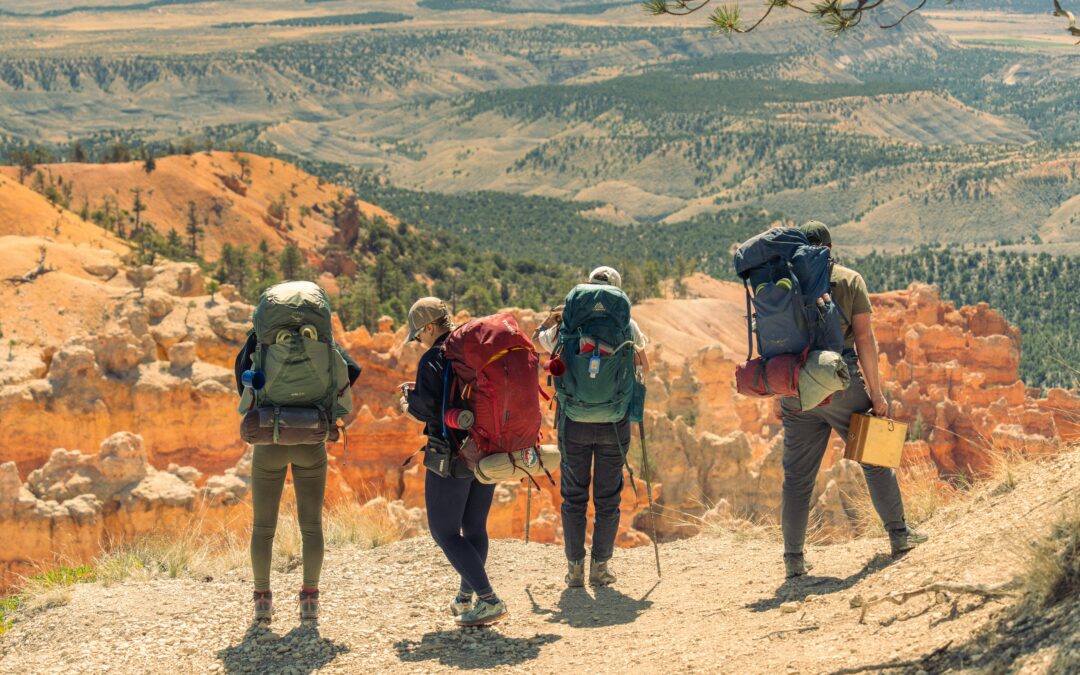
Whether you’re heading into the mountains for a weekend or tackling a two-week wilderness route, having a rock-solid ultimate backpacking packing list is the single biggest thing standing between a miserable slog and the trip of your life. Forget something small — like a pack liner or a lighter — and you’ll remember it forever. This ultimate backpacking gear list has been built for real trails by people who’ve learned from real mistakes. We’ve organised every essential piece of backpacking gear into clear, logical sections so you can pack for a backpacking trip with confidence, no matter your experience level. If you’re new to backpacking or you’ve done it a hundred times, read on — there’s always something worth double-checking.
Understanding Your Backpacking Trip
How Do You Choose the Right Backpack for a Backpacking Trip?
Your backpack is the single most important piece of equipment you’ll own. Everything else lives inside it, on it, or attached to it — which means a poor fit or wrong volume choice will ruin your trip faster than bad weather. Before you even start thinking about what to pack, you need to think about how you’ll pack it.
For most 3-season backpacking trips lasting two to five days, a pack in the 50–65 litre range hits the sweet spot. Go shorter? A 35–45 litre ultralight pack might serve you well, especially if you’re committed to a minimalist setup. Going longer or into colder conditions where bulk is unavoidable? You might creep toward 70 litres. A key rule of thumb: the weight of your pack fully loaded should never exceed 20–25% of your body weight. If you’re pulling it past that, something needs to come out.
For those chasing low base weights, a frameless pack like those from Hyperlite Mountain Gear can be a game-changer — they’re remarkably light and packable, but they do require a thoughtful packing strategy to stay comfortable. More traditional backpacking packs from brands like Osprey, Gregory, and REI offer better structure, hip-belt load transfer, and organisational pockets. Your choice ultimately depends on trip length, terrain, and how much you love suffering under a heavy pack.
Don’t overlook the humble pack liner — a simple waterproof bag that goes inside your pack and protects everything from rain. Many hikers also use a pack cover as a belt-and-suspenders approach, especially in reliably wet environments. A wet sleeping bag at camp is a misery that no amount of campfire conversation can fix.
What Sleep System for Backpacking Should You Bring?
Your sleep system for backpacking is arguably the most critical component on your entire backpacking gear list. A bad night’s sleep in the backcountry doesn’t just mean you feel groggy — it means your body isn’t recovering, your mood tanks, and suddenly that beautiful ridge you planned to cross feels like a death march.
The core of any backpacking sleeping setup is the sleeping bag. Temperature ratings are your guiding star here. If you’re doing summer backpacking, a 35°F (2°C) bag is usually sufficient for most conditions, but for winter backpacking or high-altitude routes, you’ll want a 0°F (-18°C) or lower bag without question. Down fill is lighter and more compressible; synthetic fill performs better when wet. Real-life example: taking a 20°F down bag on a humid, rain-prone trail in the Pacific Northwest is asking for a cold, clammy night — synthetic or a water-resistant down bag is smarter there.
Underneath your sleeping bag, a sleeping pad does double duty: insulation from the ground (which steals body heat far faster than cold air) and comfort. Foam pads are bomb-proof and ultralight; inflatable pads pack small and offer superior comfort and insulation. Look for an R-value of at least 2 for three-season backpacking and 4+ for cold conditions. A backpacking pillow might seem indulgent, but compressible versions weigh just 50–80 grams and make a real difference in sleep quality. Your future self will thank you.
What Are the Essential Backpacking Shelter Options?
Shelter is your home in the backcountry, and no backpacking essentials list is complete without it. A backpacking tent is the standard choice for most hikers, offering protection from wind, rain, bugs, and condensation in a single package. For short backpacking trips in dry seasons, a tarp or bivy might be enough — they’re lighter and faster to pitch. But for most people, especially if you’re new to backpacking, the psychological comfort of a proper tent is worth the extra 500 grams.
Three-person tents are often used by two people — that extra space for gear is genuinely luxurious and rarely regretted. Solo hikers often gravitate toward one-person tents, but the cramped quarters can feel suffocating in bad weather when you’re stuck inside for hours. A solid two-person tent for one person is a popular compromise. Look for double-wall construction (to manage condensation), good vestibule space for gear storage, and a reasonable trail weight under 1.5 kg for a solo setup.
Freestanding tents pitch quickly on any surface; non-freestanding tents (popular in the ultralight community) require stakes in the ground and a bit more practice. A top tip for every trip: always check your tent for broken poles or tears in the mesh before you leave the trailhead. Finding out your rain fly has a six-inch rip while a thunderstorm rolls in is a special kind of awful.
What Backpacking Clothes Should You Pack?
The golden rule of backpacking clothes is this: layer everything, cotton nothing. Cotton is a killer in the backcountry — it absorbs moisture and stays wet, which means when you stop moving and the temperature drops, you get cold fast. Merino wool and synthetic fabrics are your friends here.
A typical layering system for hiking and backpacking looks like this: a moisture-wicking base layer, a mid-layer (fleece or light down jacket), and a waterproof shell. The shell does the heavy lifting when the skies open up. For bottoms, lightweight convertible trousers are a versatile pick for most backpacking trip conditions. Pack two pairs of socks per day — wet, dirty socks are the leading cause of blisters and general misery on trail. Merino wool hiking socks are worth every penny.
Don’t don’t bring too many clothes. A common beginner error is packing for every conceivable weather scenario and ending up with a 20 kg bag they can barely lift. Three days of clothes is usually enough for most trips; bring one extra layer and trust the laundry-at-resupply approach on longer routes. A buff/neck gaiter, a lightweight beanie, and sun hat cover most head scenarios without taking up meaningful space.
What Backpacking Footwear Should You Choose?
Backpacking footwear is deeply personal — and deeply important. The right shoes prevent blisters, sprained ankles, and the kind of foot fatigue that makes every uphill feel personal. The two main camps are hiking boots and hiking shoes, and both have legitimate use cases.
Hiking boots offer ankle support and durability, making them the go-to for heavy packs, technical terrain, and wet conditions. Hiking shoes (trail runners have become enormously popular in the ultralight community) are lighter, dry faster, and many hikers find them more comfortable over long miles once their feet are used to the reduced support. The best advice? Whatever you choose, break them in before the trip. Showing up with brand new boots at the trailhead is a rookie mistake that leads to heel blisters before you hit the first ridge.
Bring a pair of camp shoes — lightweight sandals or crocs — to let your feet breathe at camp. After eight hours of hiking, slipping those on is one of the genuine simple pleasures of backcountry life. Gaiters are worth considering for muddy trails, dense brush, or snow travel. For day hike exits from multi-night routes, the same footwear system typically applies.
What Should Your Backpacking Essentials Kitchen Gear Include?
The backpacking kitchen doesn’t need to be fancy to be functional. A backpacking stove, a pot, a spork, and a lighter cover about 90% of backpacking meals scenarios. The most popular stove systems fall into three categories: canister stoves (lightweight, easy to use, widely available fuel), alcohol stoves (ultralight, but slow and fuel-tricky), and wood-burning stoves (no fuel to carry, but restricted in many areas due to fire regulations).
Your cooking gear should match your ambition. If your go-to backpacking meals are freeze-dried pouches, all you really need is a pot for boiling water and you’re done. If you’re the person who insists on cooking a full pasta carbonara at altitude (and those people exist and are to be respected), you’ll need a bit more. A titanium pot in the 700–900ml range is the sweet spot for solo cooking. Bring a bring a lightweight cutting board and a small knife if you’re doing any real food prep.
Kitchen gear also includes your food storage system. In bear country, a hard-sided bear canister is often legally required and always a smart choice. Bear bags with Kevlar-style cord and hanging systems work in areas where canisters aren’t mandatory. Backpacking food should be calorie-dense, lightweight, and require minimal preparation. Aim for at least 100 calories per ounce of food weight as a general target.
How Do You Stay Hydrated on a Backpacking Trip?
Water management is life-or-death simple: always know where your next water source is, always treat water before drinking it, and always carry more capacity than you think you need. A water bottle in the 1-litre range (Nalgene or similar) is the baseline. Many hikers carry a soft flask as a collapsible backup.
Water treatment options include: filter straw systems (Sawyer Squeeze is a perennial favourite), pump filters, UV pen purifiers (Steripen), and chemical tablets as a lightweight backup. Each has trade-offs in speed, weight, and reliability. The Sawyer Squeeze has become the best backpacking water filter for most people — it’s light, reliable, and screws directly onto standard water bottles. Always bring a chemical backup (iodine or chlorine tablets) for emergencies; they weigh almost nothing and could save your life.
Know the signs of dehydration: fatigue, headaches, dark urine, irritability. On hot days or during hard climbs, you’re losing water faster than you think. Electrolyte tablets or powder are worth adding to your backpacking packing list — particularly for multi-day trips where you’re sweating significantly each day.
What First Aid and Safety Gear Should You Always Bring?
A solid first aid kit is non-negotiable. You don’t need to pack a full hospital, but you should be prepared to handle the most common backcountry issues: blisters, cuts, sprains, allergic reactions, gastrointestinal issues, and hypothermia. Pre-assembled first aid kits from Adventure Medical Kits are a great starting point, and you can customise from there based on your trip.
The core first aid contents should include: adhesive bandages in multiple sizes, moleskin for blister prevention, medical tape, gauze pads, an ACE bandage for sprains, ibuprofen and acetaminophen, antihistamine tablets, antiseptic wipes, tweezers (for splinters and ticks), and a small pair of scissors. If anyone in your group has known severe allergies, an epinephrine auto-injector (EpiPen) is essential. A first aid course (Wilderness First Aid is ideal) is the best investment a serious backpacker can make.
Beyond medical gear, your essential backpacking safety kit should include a navigation system — a paper topographic map and compass as backup to your GPS device or phone app. A personal locator beacon (PLB) or satellite communicator (Garmin inReach) is increasingly standard on remote routes. Always pack a headlamp with extra batteries — unexpected late arrivals at camp are common, and trying to pitch a tent in total darkness is both frustrating and dangerous.
What Backpacking Electronics Are Worth Carrying?
Backpacking electronics have evolved enormously. Ten years ago, the advice was simple: leave everything at home except maybe a headlamp. Today, the calculus is different. A smartphone loaded with offline maps (Gaia GPS, AllTrails) is arguably the most useful navigation tool most hikers carry. Just make sure it’s protected in a waterproof case and you have a charging solution.
A portable battery pack (power bank) is a staple of the modern backpacker’s kit. A 10,000–20,000 mAh bank can charge a phone three to five times — more than enough for a week-long trip. Solar panels can supplement charging on sunny routes but add weight and don’t perform well under tree cover. A headlamp with good beam distance (100+ lumens) and a red-light mode (to preserve night vision and not blind your tentmates) is a need to bring item on every single trip.
Camera gear deserves a brief mention. A compact mirrorless camera or even a modern smartphone camera produces genuinely stunning results and weighs a fraction of a DSLR setup. Dedicated camera gear enthusiasts might bring a lightweight mirrorless body and a single versatile lens, packed carefully outside of the main bag compartment for quick access. A GoPro is excellent for action footage without significant weight penalty.
Weather Considerations for Clothing & Packing for Seasons
The weather can be unpredictable on a backpacking trip, so it’s essential to pack accordingly. Research the typical weather conditions for your destination and time of year, and be prepared for anything. In warmer months, focus on lightweight, breathable clothing and sun protection. In colder months, prioritize insulation and waterproofing. A waterproof jacket and pants are a must-have for any 3-season backpacking adventure. Consider bringing a hat and gloves, even in summer, as temperatures can drop at higher elevations. Always check the forecast before you go and be prepared for changing conditions. This will help you choose the right backpacking gear and clothing to stay comfortable and safe.
What Optional Backpacking Gear Can Upgrade Your Trip?
Beyond the core essentials, there’s a world of optional backpacking items that can meaningfully improve your experience without blowing up your pack weight. A trekking pole (or two) reduces knee strain on descents, improves stability on loose terrain, and can double as a tent pole for many ultralight shelter systems. Outdoor gear enthusiasts will tell you poles are actually essential — and for many terrain types, they’re right.
A sit pad (a small piece of closed-cell foam) lets you sit anywhere comfortably — on a wet log, a rocky summit, a snow field — without having to use your sleeping pad or get your trousers wet. Weighing about 50 grams, it’s one of the best ultralight gear investments per gram of weight. A microfibre camp towel, a small trowel for Leave No Trace cat-hole digging, biodegradable soap, and a lightweight stuff sack for a pillow are all worth considering depending on the trip.
For those who enjoy backpacking setup optimisation, consider packing your backpacking kit using a systematic method: heaviest items closest to your back and centred, mid-weight items filling the sides, lightweight and infrequently-needed gear at the bottom, and frequently-accessed items (rain jacket, snacks, map) at the top or in hip-belt pockets. Never store anything loose outside of my pack unless it’s trekking poles or a wet item drying on a sunny day.
Key Things to Remember
- Pack weight matters more than anything. A heavy pack ruins trips. Aim for 20–25% of body weight maximum, fully loaded.
- Always use a sleeping pad rated for your conditions — ground cold kills faster than air cold.
- Your sleeping bag temperature rating should match the lowest temperature you expect, not the average.
- A pack liner or pack cover is cheap insurance against a ruined sleeping bag.
- Cotton kills — backpacking clothes should be merino wool or synthetic only.
- Break in your hiking boots before the trip. Always.
- Water treatment is mandatory — always bring a chemical backup in case your filter fails.
- A solid first aid kit and the skills to use it are non-negotiable.
- If you’re new to backpacking or it’s your first backpacking trip, go shorter and lighter than you think you need to. You’ll learn more from a two-night trip than from reading any guide.
- Use a comprehensive backpacking checklist every single time — even experienced hikers forget things.
Backpacking Electronics and Navigation
Must-Have Electronics
In today’s world, certain electronics can be invaluable on a backpacking trip. A smartphone with GPS capabilities can be a great navigation tool, but remember to download offline maps and carry a portable charger. A headlamp or flashlight is essential for navigating around camp at night. A camera gear is a must-have for capturing the beautiful scenery. Consider bringing a portable power bank to charge your devices. A satellite messenger or personal locator beacon (PLB) can be a lifesaver in case of an emergency, especially in remote areas. Remember to pack your electronics in waterproof bags to protect them from the elements. Don’t forget extra batteries for your headlamp and other devices.
Navigation Tools for Backpacking
While electronics can be helpful, traditional navigation tools are still essential for backpacking. A map and compass are reliable and don’t rely on battery power. Learn how to use them before you go, and practice navigating in the field. A GPS device can be helpful for tracking your progress and finding your way back to the trail. However, always carry a backup map and compass in case of battery failure. Consider bringing a altimeter watch to measure your altitude. A good understanding of map reading and compass skills is crucial for staying safe and on track. Make sure you always bring extra batteries for your GPS device. These are essential backpacking skills.
Charging Options
Keeping your electronics charged on a backpacking trip can be a challenge, but there are several options available. A portable power bank is a convenient way to charge your devices on the go. Solar chargers can be used to recharge your power bank, but they are dependent on sunlight. Consider bringing a lightweight USB charger and charging your devices at trailheads or campsites with electrical outlets. A hand-crank charger can be a good backup option in case you run out of power. Remember to conserve battery power by turning off unnecessary features and using your devices sparingly. Always pack a waterproof bag to protect your charging equipment from the elements.
Ultimate Backpacking Packing List: Final Checklist Before
Pre-Trip Final Check
- Pack weight ≤ 20–25% of body weight
- Sleeping bag matches lowest expected temp
- Water filter tested and working
- Phone charged with offline maps downloaded
- Someone at home knows your route and return date
- Food counted and calorie-checked per day
- Boots already broken in
➕ Optional Upgrades
- Trekking poles
- Sit pad (small closed-cell foam square)
- Stuff sacks / dry bags (colour-coded = life-changing)
- Duct tape (wrapped around water bottle — fixes everything)
- Repair kit (tent pole sleeve, seam sealer, gear patches)
Conclusion: Preparing for Your Adventure
Ultimate Backpacking Checklist
🏕️ Pack & Carry
- Backpack (50–65L for most trips)
- Pack liner (waterproof bag inside your pack)
- Pack cover (rain protection)
- Hip-belt pouches (for quick-access snacks/phone)
😴 Sleep System
- Sleeping bag (rated for your lowest expected temp)
- Sleeping pad (R-value 2+ for 3-season, 4+ for cold)
- Backpacking pillow (compressible)
- Tent or tarp/shelter
👕 Clothing
- Moisture-wicking base layer (top & bottom)
- Mid layer (fleece or light down jacket)
- Waterproof rain shell
- Hiking trousers (convertible recommended)
- Underwear × days hiking
- Merino wool hiking socks × 2 pairs per day
- Lightweight beanie
- Sun hat
- Buff / neck gaiter
- Gloves (conditions dependent)
👟 Footwear
- Hiking boots or trail runners (broken in before trip!)
- Camp shoes / sandals / crocs
- Gaiters (optional — for mud, brush, or snow)
🍳 Kitchen
- Backpacking stove + fuel canister
- Lightweight pot (700–900ml titanium)
- Spork or utensils
- Lighter + backup matches
- Bear canister or bear bag + cord
- Biodegradable soap + small sponge
- Food (1.5–2 lbs/day, calorie-dense)
💧 Hydration
- Water bottle (1L minimum; 2 recommended)
- Soft flask (collapsible backup)
- Water filter (e.g. Sawyer Squeeze)
- Chemical backup tablets (iodine or chlorine)
- Electrolyte tablets or powder
🩹 First Aid & Safety
- Adhesive bandages (multiple sizes)
- Moleskin (blister prevention)
- Medical tape
- Gauze pads
- ACE bandage (for sprains)
- Ibuprofen & acetaminophen
- Antihistamine tablets
- Antiseptic wipes
- Tweezers
- Small scissors
- EpiPen (if applicable)
- Topographic map (paper)
- Compass
- Personal locator beacon (PLB) or satellite communicator (e.g. Garmin inReach)
- Headlamp + extra batteries
📱 Electronics
- Smartphone (with offline maps downloaded — Gaia GPS or AllTrails)
- Waterproof phone case
- Power bank / portable battery (10,000–20,000 mAh)
- Solar panel (optional)
- Camera or GoPro (optional)
- Charging cables
🌿 Leave No Trace & Hygiene
- Trowel (cat-hole digging)
- Toilet paper + waste bags
- Hand sanitiser
- Toothbrush + toothpaste (travel size)
- Sunscreen
- Insect repellent
- Microfibre camp towel
➕ Optional Upgrades
- Trekking poles
- Sit pad (small closed-cell foam square)
- Stuff sacks / dry bags (colour-coded = life-changing)
- Duct tape (wrapped around water bottle — fixes everything)
- Repair kit (tent pole sleeve, seam sealer, gear patches)
Encouragement for New Backpackers
If you’re new to backpacking, don’t be intimidated by the amount of backpacking gear involved. Start with shorter, easier day hike trips to get a feel for carrying a backpack and using your equipment. Gradually increase the length and difficulty of your hiking and backpacking adventures as you gain experience. Don’t be afraid to ask for advice from experienced backpackers or outdoor gear specialists. Remember, everyone starts somewhere, and the rewards of exploring the wilderness with just what you can carry on your back are well worth the effort. Embrace the challenge and get ready for an unforgettable first backpacking trip!
Final Thoughts on Backpacking
Backpacking is more than just a day hike or a hiking and backpacking trip; it’s an opportunity to connect with nature, challenge yourself physically and mentally, and create lasting memories. The right backpacking gear and a well-planned backpacking checklist are essential for a safe and enjoyable experience. Whether you’re a seasoned pro or planning your first backpacking trip, remember to prioritize safety, comfort, and Leave No Trace principles. So, get out there, explore the wilderness, and discover the magic of backpacking! Don’t forget to share your amazing experiences with your camera gear!